
From Abacus to Algorithm: The Dilemma of Artificial Superintelligence
A reflection on Lex Fridman and Roman Yampolskiy's conversation about AGI, superintelligence and the limits of scientific materialism.

By
Thiago Patriota
- Published
- June 14, 2024
- Reading
- 3 min read

Introduction
"We must preserve the flame of human consciousness"
Lex Fridman - Lex Fridman Podcast #431
This fundamental conversation between Lex Fridman and Professor Roman Yampolskiy in episode #431 of the Lex Fridman Podcast addresses many important topics about the dangers of AGI (Artificial General Intelligence) to humanity, but due to the wrong approach in method, it can only mitigate the problem, not solve it.
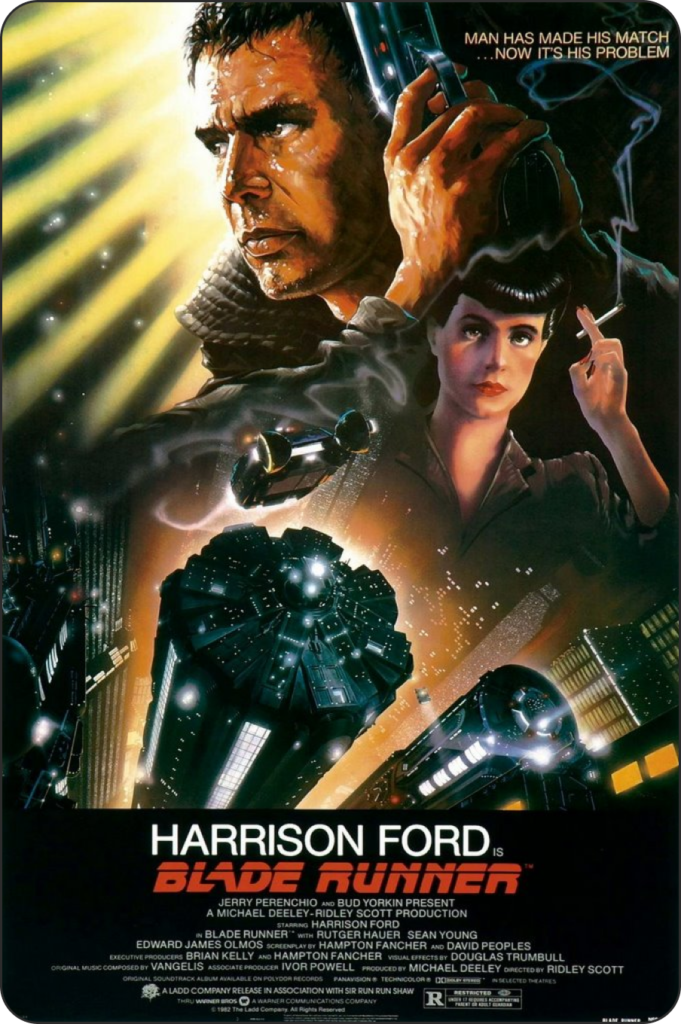
This science fiction problem of the science fiction reality we are currently integrating can be surprisingly summarized with the slogan on the poster of a classic science fiction film: "Man created his equal. Now it's his problem." - Blade Runner (1982).
If the problem under discussion is the ability of machines to surpass our collective human intelligence through a superintelligence that doesn't need sunlight for "photosynthesis" or melatonin to sleep, it is contradictory to seek a solution in the same tools that were used to create it: mathematics and scientific materialism.
Development
To do [human science] to predict all the risks of something that can do [super artificial science] is like using an abacus to compete with a Ti 84-Plus calculator.
As logical inference, a solution to a problem can always be found by mapping its origin. But here's the point: what we now consider AI is generally related to NLMs (Natural Language Models). ChatGPT was released in November 2022, but four months before that, in July 2022, Midjourney launched the first NLIGs (Natural Language Image Generators).
Recognizing that within the new AI scenario, [image outputs] came before [text outputs] puts us in the right direction. As cited in the episode, if the goal is to "preserve the flame of human consciousness," then the profile of investigation lies in fields of study more related to aesthetics and consciousness, not mathematics or computer science—philosophy, anthropology, linguistics, theology, and the arts.
Science may be far from understanding human consciousness, but understanding its potential is always a tangible undertaking—it is, after all, what currently makes us different from machines. Mainly because machines cannot download unprecedented new "data" or reconfigure their objective function with a dose of Ayahuasca, but also because it was the essence of spikenard oil that the Egyptians used in their beards that enhanced their intuitive and spiritual abilities (and also functioned as an aphrodisiac)—the same capacities used to build the inexplicable pyramids—A true architectural and engineering legacy of humanity.
Conclusion
This means that while science has led us to create a new equal to man's capacity (and also an emerging problem), it's time to set science aside for a moment and better understand our ability to connect with the cosmos (or the collective unconscious) and continue creating even better than machines.
Are both humans and machines inexplicable, unpredictable, and uncontrollable, but are they both also non-artistic, non-spiritual, and non-emotional?
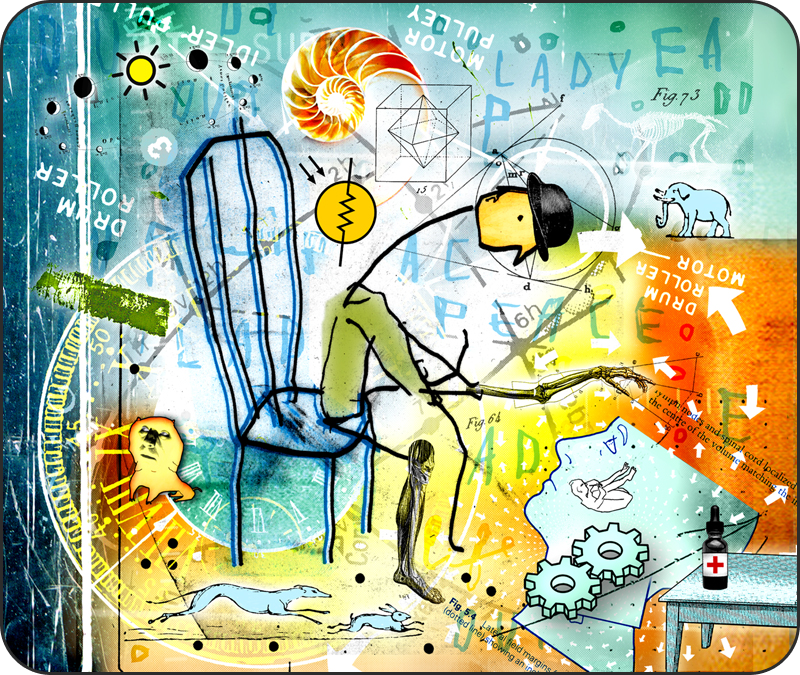
Hmm. If the summary of the problem can be found in a film, then perhaps the answer can be found in the album Spiritual Machines (Inspired by the work of Raymond Kurzweil) by Canadian band Our Lady Peace.
This means that while science has led us to create a new equal to man's capacity (and also an emerging problem), it's time to set science aside for a moment and better understand our ability to connect with the cosmos (or the collective unconscious) and continue creating even better than machines.
Are both humans and machines inexplicable, unpredictable, and uncontrollable, but are they both also non-artistic, non-spiritual, and non-emotional?
If the summary of the problem can be found in a film, then perhaps the answer can be found in the album Spiritual Machines (Inspired by the work of Raymond Kurzweil) by Canadian band Our Lady Peace.
References
You may also like
All posts → № 01
№ 01Sentient Manifesto
 № 02
№ 02The Cry for Self-Learning
 № 03
№ 03